Friday, November 2, 2018

Electric vs Manual Toothbrushes: what’s the evidence?

A 2014 Cochrane Review published in the Cochrane Database of Systematic Reviews compared the effects of using a manual toothbrush with an electric toothbrush for maintaining oral health. Why is this important for dental, nursing and medical students to be aware of?

In our day to day oral care, most of the time we may make decisions based on our background, culture and education. But are these choices right?

To answer a question like: ‘which is better, brushing your teeth with an electric or manual toothbrush?’ we need to consider the evidence. This is particularly important because electric toothbrushes are widely advertised, recommended by professionals and can be expensive compared to manual toothbrushes.

What is an electric (or ‘powered’) toothbrush?

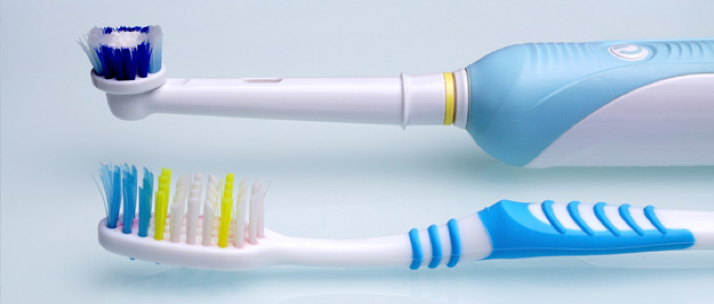
Electric (or ‘powered’) toothbrushes can be classified into two categories based on their action: vibration or rotation-oscillation. Vibration supports a technique similar to the manual one whereas the rotating-oscillating version focuses on moving the brush slowly from tooth to tooth. Another classification can be made on the speed of their movements as standard power toothbrushes, sonic toothbrushes (20 Hz to 20,000 Hz) or ultrasonic toothbrushes. 
Oral health

The Cochrane Review evaluated the effects of brushing with a manual vs. powered toothbrush on two main outcomes: plaque (a sticky film containing bacteria) and gingivitis (gum inflammation). The review also explored whether there were any adverse effects of brushing with an electric vs. manual toothbrush.

Dental plaque is the primary cause of gingivitis and can lead to periodontitis, a more serious form of gum disease, affecting 11% of the global population. The build up of plaque can also lead to caries (decay) in permanent teeth. Tooth decay is the most prevalent disease worldwide, with a global prevalence of 35% for all ages combined. Whilst in high‐income countries the prevalence of caries has decreased over the past decade, in lower‐ and middle‐income countries (LMICs) the incidence is increasing due to population growth, an ageing population, changing diets and inadequate exposure to fluorides.

So, removing plaque and reducing gingivitis have important roles in preventing gum disease and tooth decay and are of major public health importance.

Evidence

This Cochrane Review included 56 trials with 5068 participants. Fifty one of these trials, including 4624 participants, provided data for the meta-analysis. Participants were randomized to receive either a powered toothbrush or a manual toothbrush. Only five trials were at low risk of bias, five were at high risk of bias and 46 were at unclear risk of bias.

There is moderate quality evidence that powered toothbrushes provide a statistically significant benefit compared with manual toothbrushes in the reduction of plaque. There was an 11% reduction in plaque at one to three months of use, and a 21% reduction when assessed after three months of use.

With regard to the reduction of gingivitis, there is moderate quality evidence that powered toothbrushes again provide a statistically significant benefit compared with manual toothbrushes. There was a 6% reduction in gingivitis at one to three months of use and an 11% reduction when assessed after three months of use.

There did not appear to be a difference in the number of adverse effects between using an electric vs. a manual toothbrush. This may be because very few adverse effects were reported in the included studies.

The number of trials for each type of powered toothbrush varied: side to side (10 trials), counter oscillation (five trials), rotation oscillation (27 trials), circular (two trials), ultrasonic (seven trials), ionic (four trials) and unknown (five trials). The greatest body of evidence was for rotation oscillation brushes which demonstrated a statistically significant reduction in plaque and gingivitis at both time points.

Implications

What has this systematic review taught us?

It is worth highlighting that the differences found between manual and powered toothbrushes were of statistical significance. We can say that there is moderate evidence that powered toothbrushes are statistically significantly more effective at reducing plaque and gingivitis than manual toothbrushing in the short term. However, the clinical importance of these findings remains unclear.

Statistical significance tells us how likely an effect is a chance finding based on the researcher’s predetermined significance level. Many factors impact statistical power.  For example, very small differences between the groups being compared can be found to be statistically significant if you have a very large sample. Research findings may not be important enough to fundamentally change a prescribing practice or treatment choice, even if found to be statistically significant.

Clinical significance tells us how effective or meaningful the research finding might be to patients. It is important to remember that the determination of clinical significance can be a more subjective decision. It will depend on, among other things, which disease process or condition is being studied and how many people are affected by the condition.

One key reason why we can’t be sure of the clinical importance of the findings of this review is because the long-term benefits for dental health are unclear. Few of the included studies reported data over more than three months. So, these findings appear promising for electric vs. manual toothbrushes. Nonetheless, further longer-term trials are needed to assess whether these benefits lead to a reduction in important, longer-term outcomes such as caries and gum disease.

References

Yaacob  M, Worthington  HV, Deacon  SA, Deery  C, Walmsley  AD, Robinson  PG, Glenny  AM. Powered versus manual toothbrushing for oral health. Cochrane Database of Systematic Reviews 2014, Issue 6. Art. No.: CD002281. DOI: 10.1002/14651858.CD002281.pub3.

Farina R, Tomasi C, Trombelli L. The bleeding site: a multi‐level analysis of associated factors. Journal of Clinical Periodontology 2013;40(8):735‐42. DOI: 10.1111/jcpe.12118.

Marcenes W, Kassebaum NJ, Bernabé E, Flaxman A, Naghavi M, Lopez A, et al. Global burden of oral conditions in 1990‐2010: a systematic analysis. Journal of Dental Research 2013;92(7):592-7. doi:10.1177/0022034513490168


The post Electric vs Manual Toothbrushes: what’s the evidence? appeared first on Students 4 Best Evidence.

Wednesday, October 31, 2018

Effectiveness of different exercises and stretching physiotherapy on pain and movement in Patellofemoral Pain Syndrome: A critical appraisal

This blog is a critical appraisal of the following randomized controlled trial: Effectiveness of different exercises and stretching physiotherapy on pain and movement in patellofemoral pain syndrome: a randomized controlled trial.

Background

Patellofemoral pain syndrome (PFPS) is patella pain accompanied with high load activity in knee flexion or extension, therefore it is predominately seen in sports medicine clinics (Petersen et al., 2013). PFPS is prevalent mainly in young females. Evidence supports non-surgical treatment and focusing on physical functional issues. Literature has supported and has evidence that taping, exercise programs, Non-Steroidal Anti-Inflammatory Drugs (NSAIDs) and possibly foot orthosis or patella braces are all valid interventions, but these are all short-term solutions.

What was the Study?

This study’s researchers enrolled 74 patients that met the following criteria; A pain history of more than 6 months with no previous history of Apophysitis or osteoarthritis; and they had to have positive results in the Patellofemoral Grinding test and Patellofemoral compression test.

The purpose of this study was to compare the efficacy of proprioceptive neuromuscular facilitation (PNF) combined with exercise, stretching intervention, and educational intervention at improving function and pain in PFPS patients. The participants were sorted into three groups: a control group, classic stretching group, and a PNF stretching group. The stretching intervention consisted of following a soft tissue protocol from a study published by Syme et al involving active exercises and stretching exercise for hip and knee muscles (including quadriceps, hamstrings, iliotibial band, gastrocnemius, soleus, and anterior hip structures). The active exercises within the study focused on quadriceps strengthening, but did not specify which exercises were included. The PNF stretching group followed the PNF stretching protocol which is applied to the quadriceps and hamstrings – the study included a detailed plan that was quite specific. The aerobic exercise portion was only 45 minutes conducted by a personal trainer, however there were no specific exercises stated. A control group received health education around PFPS and were advised not to follow any interventions until after the trial.

Randomisation was completed by a random number generator in blocks of eight with no stratification. The person in charge of randomisation was different to the blinded assessor in charge of eligibility. The outcome measures were Anterior knee pain scale, Visual Analog Scale (VAS) for pain, Patellofemoral compression test, Patellofemoral grinding test, Quadriceps angle, Thigh perimeter, and Knee range of motion. Baseline measures were taken and then a 4-month follow up measurement was taken from all participants.

What were the results?

The p-value was ≤ 0.001 in the intervention groups, which is smaller than the alpha value from the study that was set at 0.05, observing that the outcome measures showed an increase in pain relief and function after the two interventions. The control group was shown to have a p-value of 0.621. This shows there is a significant difference in the results from pre-to-post intervention.

To apply the therapy interventions the confidence interval (CI) needs to be considered, in this case they used a 95% CI. This is valid because it says that 95% of the time this study is done it will replicate these results.

What were the strengths and weaknesses of the study?

To evaluate a study in more depth a guideline must be used, in this critical appraisal the Centre for Evidence-based medicine (CEBM) RCT tool was followed. The study detailed all features of the PICO question – Population, Interventions, Control, and Outcome measure, some in more detail than others.

The population section had a few aspects that could be a deficiency in the study. The sample size was small (74 participants) for the prominence of this condition. This may have been avoidable if there was recruitment following the same eligibility criteria from more than one physiotherapy clinic. The groups had an equal spread of participant characteristics apart from the male to female ratio. This condition occurs mainly in young females yet there were predominately more males in all three groups.

During follow-up treatment, it is stated that 2 participants were ‘lost’, however there is no intention-to-treat analysis for missing data.

This study had a randomised allocation through a number generator and the assessor involved in eligibility was not involved in randomisation which was carried out off site. The assessor may have been blinded to the specific treatment of the participants, but the physiotherapist cannot be blinded in a clinical intervention as they must oversee the treatment. Also, the participants were not blinded for ethical reasons. Lack of bias creates a clinically accurate study.

Conclusion

The findings of the study discussed using Proprioceptive neuromuscular facilitation techniques and aerobic exercise which showed a decrease in pain and an increase in function in this intervention group vs the stretching group. There needs to be a larger scale study with more participants, particularly more female participants due to the prevalence in this group. Also, the two intervention groups were quite close so a further follow up would have helped determine more information about the different treatments specificity.

References

CEBM. (2017). Critical Appraisal tools – CEBM. [online] Available at: http://www.cebm.net/blog/2014/06/10/critical-appraisal/ [Accessed 12 Dec. 2017].

Petersen, W., Ellermann, A., Gosele-Koppenburg, A., Best, R., Rembitzki, I., Bruggemann, G. and Liebau, C. (2014). Patellofemoral Pain Syndrome. Knee Surgery, Sports Traumatology, Arthroscopy, 22(10), pp. 2264-2274.

Revelles Moyano, F., Valenza, M., Martin Martin, L., Castellote Caballero, Y., Gonzalez-Jimenez, E. and Valenza Demet, G. (2012). Effectiveness of different exercises and stretching physiotherapy on pain and movement in patellofemoral pain syndrome: a randomized controlled trial. 27(5):409-417.

Syme G, Rowe P, Martin D and Daly G. (2009) Disability in patients with chronic patellofemoral pain syndrome: a ran­domised controlled trial of VMO selective training versus general quadriceps strengthening.Man Ther, 14(3): 252–263.

The post Effectiveness of different exercises and stretching physiotherapy on pain and movement in Patellofemoral Pain Syndrome: A critical appraisal appeared first on Students 4 Best Evidence.
Responsiveness of Myofascial Trigger Points to Single and Multiple Trigger Point Release Massages: A critical appraisal

This blog is a critical appraisal of the following randomized controlled trial: Responsiveness of Myofascial Trigger Points to Single and Multiple Trigger Point Release Massages

Background

During a recent Musculoskeletal (MSK) placement, I encountered the use of trigger point therapy for treatment of a skeletal muscle disorder characterised by regional muscular pain (myofascial pain syndrome [MPS]).

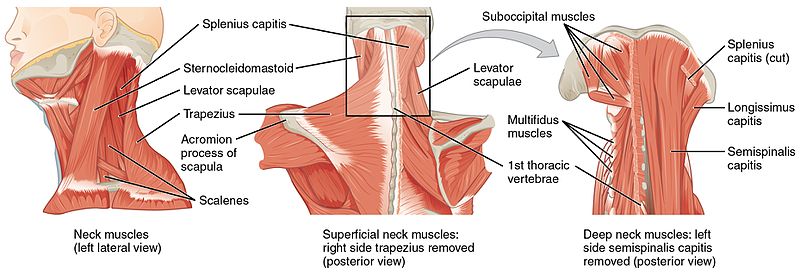
Myofascial trigger points (MTrPs) are nodules in a tight band of skeletal muscle which have an exaggerated response to moderate stimuli. These MTrPs are present in patients with MPS. In tension-type headache (TTH), a type of MPS, MTrPs in the cervical muscles have been identified as potential treatment sites for pain reduction (Fernández-de-las-Peñas et al., 2011). However, placebo-controlled studies on the effect of multiple sessions of massage on MTrPs are currently lacking.

Study Methods

The aim of this study was to assess changes in MTrP pressure-pain threshold (PPT) after single and multiple massage interventions at two muscles in patients with TTH. A total of 69 subjects were screened against eligibility criteria, with 7 subjects excluded; therefore, 62 subjects were randomised. The study subjects were assigned to treatment using block randomisation and the study statistician was blinded to group allocation.

The intervention was twice-weekly massage for 6 weeks, which was compared to sham ultrasound for 6 weeks or wait-list control. In each subject, MTrPs were identified by massage therapists using published criteria and the PPT of the bilateral upper trapezius and suboccipital muscles was assessed before and after the first and last intervention sessions or at a time-matched period for the wait-list control group. The primary outcome measure was algometric assessment of PPT at a MTrP.

Study Results

This study showed that single and multiple massage applications increased PPT at MTrPs when compared to placebo or wait-list control interventions in subjects with TTH. Additional gain in PPT was observed even after multiple massage treatments, suggesting that the number and length of massage treatments needs to be optimised.

Critical Appraisal of Study

The strengths and weaknesses of the study design and the value of the evidence were assessed using the Critical Appraisal Skills Programme (CASP) randomised controlled trial tool as a basis to guide the appraisal. The study population, intervention and control groups, study endpoints, and assessments used were clearly outlined. In addition, the study protocol was registered with ClinicalTrials.gov which shows that the researchers were transparent in their methods and used a standardized protocol.

In order to reduce selection bias between the treatment groups, block randomisation was used. This also ensured that equal numbers of patients were assigned to each treatment group, which is particularly important when the sample size is small (Efird, 2011). Another commonly used method to reduce bias is the concealment of treatment group allocation through blinding (Karanicolas, et al., 2010). In this study, patients and therapists were not blinded to treatment group due to the nature of the interventions. However, the patients and the nurses performing the placebo control ultrasound were blinded to the sham nature of the technique. Also, the statisticians who analysed the outcome data were blinded to treatment group assignment. Thus, although this was not a fully blinded study, measures were taken to minimise bias during data analysis.

The main limitation of this study is that the sample size was very small. Although there was a statistically significant increase (p<0.05) in PPT in the massage intervention group, it cannot be concluded with any certainty that the same results would be obtained in a larger population. A small local sample of the TTH population is not necessarily truly representative of the wider global population of patients with this condition.

The primary endpoint of change in PPT was measured using an algometer, which is a validated technique (Kinser, et al., 2009), particularly when study staff are trained in its use as they were in this study. However, pain is always very subjective and so difficult to accurately measure. The researchers tried to control for changes in pain sensitivity over time by also measuring PPT on the tibia of each patient, and demonstrated no significant change. While change in PPT is a relevant and valid endpoint, a more pertinent question may have been whether massage therapy actually improved TTH symptoms, which was not addressed in this study. Perhaps this could have been included as a secondary endpoint.

Conclusions

This well-designed study clearly achieved its objective by showing a statistically significant effect of massage therapy on PPT of MTrPs. However, the evidence is not currently robust enough to lead to changes in clinical practice. Further studies are needed to test this technique on larger populations so that a systematic review of the overall evidence can be performed.

References

The post Responsiveness of Myofascial Trigger Points to Single and Multiple Trigger Point Release Massages: A critical appraisal appeared first on Students 4 Best Evidence.

When a Personal Loan Can Save You Money

More financial advisers are advising clients to consider personal loans to save on everything from debt consolidation to starting their own business.

The post When a Personal Loan Can Save You Money appeared first on Earnest Blog | Money Advice for Young Professionals.

A critical appraisal of spinal mobilization vs conventional physiotherapy in the management of chronic low back pain due to spinal disc degeneration: a randomized controlled trial

This blog is a critical appraisal of the following randomized controlled trial: Spinal mobilization vs conventional physiotherapy in the management of chronic low back pain due to spinal disk degeneration

Background

Chronic Lower Back Pain (LBP) is a common problem affecting approximately 60-80% of the world’s population during their lifetime. In the UK, it is the most common cause of disability and number of days off work in young adults (Duthey, 2013).

At present, there is no definitive cure for chronic LBP due to insufficient evidence supporting any particular treatment modality (Krekoukias et al., 2016). As a result, a patient-centric approach aiming to enhance patient’s functionality and reduce pain has been the mainstay of treatment for chronic LBP.

The prognosis for chronic LBP, post-treatment, varies between patients and is scored based on disability scores. Those reporting lower disability and pain scores had better recovery rates than their counterparts (Costa et al., 2009).

What was the study?

The research article that will be discussed sought to determine the efficacy of spinal mobilisation on health outcomes in chronic LBP sufferers with disc degeneration.

75 subjects living with chronic LBP for longer than three months were recruited to this study. All of them met the inclusion criteria. They were randomly allocated to the Conventional Physiotherapy (CP) group, Spinal Mobilisation (SM) group and Sham Treatment (ST) group respectively. All received treatment from the same physiotherapist who was also in charge of data collection, thus blinding of the researcher was not carried out.

The Numerical Pain Rating Scale (NPRS) was adopted as the primary outcome measure while secondary outcome measures were the self-reported Greek version of the Oswestry and Roland-Morris questionnaire.

Altogether, there were five sessions of treatment lasting five weeks and outcome measures at final treatment were compared against the baseline. To explore the longer-term effects from the three groups, a 6-month follow-up after the final treatment was also included. There was no loss to follow-up observed during the trial and follow-up assessment, thus intention-to-treat analysis was not necessary.

In the CP group a series of static hamstring stretches, Swedish massage and Transcutaneous Electrical Nerve Stimulation (TENS) were applied at the lumbar region lasting a total of 40 minutes. No further treatment (i.e. a home exercise programme) was given. In the SM group, 10 minutes of passive physiological accessory movement and passive physiological intervertebral movement was delivered at the vertebral level that showed signs of disc degeneration. Finally in the ST group, a placebo skin-touch procedure on the lumbar region, with treatment duration similar to the SM group was given.

Findings

The study demonstrated a significant improvement in all clinical parameters post-treatment in the SM group and a positive correlation between the degree of disc degeneration and effects of SM on secondary outcomes. Further illustrated was the 6 month follow-up, where patients in the SM group showed the least need for further physiotherapy treatment versus the CP and ST groups.

In comparison to the ST group, the CP group had relatively higher clinical significance, with p<0.05 on the NPRS and Roland Morris questionnaires.

Strengths and Weaknesses

Results from this study will be appraised using the CASP RCT tool for its validity and usefulness relative to future clinical practice.

The study attempted to reduce noise in the data by randomly allocating participants through a computerised software to prevent selection bias. In order to reduce the possibility of generating an extreme clinical significance due to no-treatment, the control group received placebo treatment. This meant that all participants expected an outcome from the treatments hence any confounding variance observed between the intervention and placebo group is a result of real clinical benefit (Hrobjartsson et al., 2011).

However, internal validity was compromised as the researcher took on a dual role as the lead physiotherapist. This could introduce bias in generating and interpreting results to fit the researcher’s pre-conceived assumptions. Corroborating this, a systematic review also showed substantial observer bias and more positive results in interventions derived from randomised-controlled trials with non-blinded assessors as opposed to blinded assessors (Hrobjartsson et al., 2012).


Although the population specified addressed the research question, there was no basis for which the multiple-armed RCT was adopted and it was not clear whether the CP group was a control or intervention group. Moreover, having multiple comparators against the treatment of interest (i.e. SM group) did not allow for in-depth focus into the research question and increases the probability of a type 1 error occurring (Wason et al., 2014).

In order to determine the reliability of the intervention, a 95% Confidence Interval (CI) was used. This is where a range of values is calculated to see whether the estimate of the population mean difference pre and post-treatment sits within the sample mean difference. With the baseline characteristics of the three groups being relatively similar during pre-treatment, and the CI values of the three outcome measures statistically different in the SM group (NPRS: 4.11,5.37) than the CP (NPRS: 0.69,1.38) and ST group (NPRS: −0.05, 0.53), we can assume that SM as an intervention is an independent variable that affects LBP outcomes.

Conclusion

The study shows clinically significant improvement in chronic LBP on patients that received spinal mobilisation. However it is noteworthy that the study presents several weaknesses, especially that of observer bias which serves to skew existing data. Further research with blinding of the researcher, reducing the number of control group and possibly increasing the sample size should be done, to ensure validity of the original study.

References

The post A critical appraisal of spinal mobilization vs conventional physiotherapy in the management of chronic low back pain due to spinal disc degeneration: a randomized controlled trial appeared first on Students 4 Best Evidence.

Friday, October 26, 2018

My Cochrane Elective Experience

The Cochrane UK Student Elective is a bi-annual opportunity for students to learn and participate in the activities of Cochrane through the Cochrane UK office, based in Oxford. To find out more just go to the Cochrane UK website, where the next Elective dates will be published. If selected, you will be able to work in Oxford for 4 weeks, be introduced to the organisation and given the opportunity to participate in projects and initiatives. Overall it is a second to none way in which valuable experience can be gained in a short period of time.

Having come across the opportunity myself I applied thinking I would probably not be successful as I assumed it would be for young students. My own academic experience was limited and at that time only one published paper to my name entitled – Do creative arts therapies reduce substance misuse? A systematic review and the full paper is available online at https://www.sciencedirect.com/science/article/pii/S0197455617300424.

The Elective interview process was interesting and seemed to be really encouraging. I was delighted to be offered a place. Not knowing what to expect I was pleasantly surprised when I turned up on the first day. A small office in Oxford with around 7 permanent staff and a further 7 or so coming and going, it was friendly and welcoming.


We were given a timetable with meetings scheduled over the four-week period. In the first week we were asked to write down our personal objectives that we wanted to achieve over the Elective period. During the first few days we met many of the staff and their roles were sometimes outlined clearly, where others were more nebulous. It was hard to get an exact picture of the Cochrane organisation and how Cochrane UK fitted into the whole. As time went on I was able to understand more and more and by the last week it was much cleare

Cochrane is a worldwide organisation and disparate in its format, with funding coming from all directions. Pinning down the details is somewhat difficult as there does not seem to be a standard pattern structure. I also know now that Cochrane, being a dynamic organisation, is constantly changing, for example through the newly introduced Networks, which you can read more about here.

One of the highlights of the experience, if not the most prominent, was being invited to attend the review author training level 3 and 4. This two-day course was particularly interesting, learning about the advanced analysis within the REVMAN system, which is used to produce Cochrane Systematic Reviews. More information on Cochrane training can be found at https://training.cochrane.org.

Another highlight was briefly meeting Sir Iain Chalmers who started the Cochrane organisation  some 25 years ago in 1993. Now, he’s still based just down the corridor from the Cochrane UK office.

During the Elective time we were introduced to new skills and were able to contribute to Cochrane Crowd, update Wikipedia, Cochrane UK social media accounts, and also blog for Students 4 Best Evidence (S4BE).

Most of time was taken up by an Elective project which, although optional, gave us a challenge that we as a team wanted to achieve. It meant that we focussed more on this project than the other opportunities although I tried to find a balance and managed to achieve all four of my original objectives with the project only being one of them.

The data extraction for the project occupied three out of our four weeks and as a result, it was an impossible challenge to complete this project during our time at Cochrane UK. I was one of a team of four and we all pulled together to get the data. Unfortunately, the project wasn’t able to be completed by the time we left but we do want to finalise it. Hopefully this will happen in due course.

Each week the Cochrane UK team, together with several Cochrane Fellows, meet to discuss recently published or about to be published reviews. We were invited to attend part of the meeting during which the collective would decide whether to disseminate the results and in which format.  The primary reason for the Cochrane UK office is its focus on distributing evidence. This is undertaken in a number of different ways through social networks, blogs and the media. It was a privilege to be part of this meeting each week and seeking to understand what the decision making process was for each published review. It seemed to be determined by the review results and how interesting this might be to the different audiences Cochrane UK was targeting.

During the last week I was able to visit Oxford a couple of times and consolidate my knowledge gained. I was also able to become a reader at the Bodleian Library, one of the worlds’ largest collections. At the weekend I joined a walking tour with https://www.wanderoxford.co.uk which is free but be prepared to offer a tip to your guide at the end of the tour. There are plenty of different companies offering such tours and generally they start at either 11am or 1pm from Broad Street in the centre of Oxford. There is also an open topped bus tour for around £15 and you can get off and on as many times as you like during the day.

Finding somewhere to stay in Oxford is a challenge with hotel prices being very high compared with other locations in the UK. I was able to find very nice accommodation through Airbnb.co.uk which was reasonably priced between £20 and £30 per night for a room. Of course if you have friends to stay within Oxford that is perfect and some did. Others used a family stay service which included breakfast and an evening meal. There is university accommodation that is sometimes accessible but this depends on when the Elective is scheduled, during our stay only a few days were available and only in the first week.

I’m glad I participated in this experience. It has added to my research knowledge on how evidence based medicine is collated and distributed. Cochrane takes an independent view and is officially an advocate of medical evidence which, through its reviews, is informing health related professionals of its findings. The task of integrating this evidence into practice remains an ongoing obstacle which they are addressing with vigour.

I would encourage all students to consider this one-month experience as a valuable contribution to their overall learning. If you can afford to spend one month in Oxford, then do! Ensure you make some time to enjoy this beautiful city whilst you are there.


The post My Cochrane Elective Experience appeared first on Students 4 Best Evidence.